 Available in US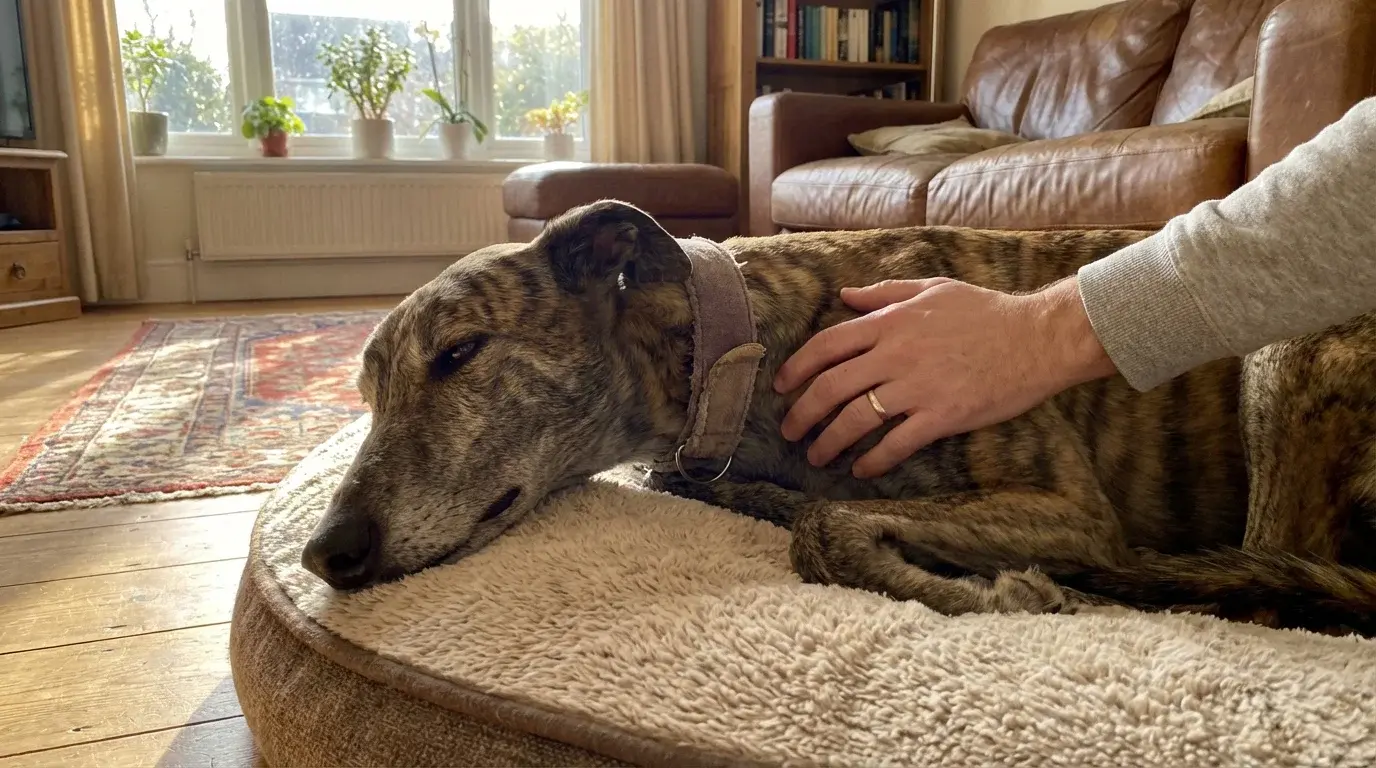
The Dogs Come First — and the Framework Exists to Enforce That
Greyhound racing is a sport built around the performance of living animals. The dogs are not machines — they are athletes with physical limits, health needs, and lives that extend beyond the track. How the sport treats them during and after their racing careers is a legitimate concern for anyone who engages with it, including bettors whose money funds the industry.
The welfare framework in UK greyhound racing has evolved significantly over recent decades. Regulatory standards have tightened, injury reporting has become more transparent, and rehoming programmes have expanded to ensure that retired racing dogs find domestic homes. The system is not perfect — no welfare system in any animal-related industry is — but it is structured, regulated, and subject to ongoing scrutiny from the governing body, the public, and animal welfare organisations.
This guide outlines the current welfare standards under the GBGB, explains the injury and veterinary protocols that protect dogs during racing, describes the rehoming infrastructure for retired greyhounds, and addresses how welfare considerations relate to the betting side of the sport.
GBGB Welfare Standards
The Greyhound Board of Great Britain is the regulatory body responsible for licensed greyhound racing in the UK. Its welfare standards cover every stage of a racing dog’s life within the regulated system — from entry into training through active racing to retirement.
All dogs racing under GBGB rules must be registered and tracked through a centralised database that records their ownership, training kennel, racing history, and eventual retirement destination. This traceability system ensures that no dog disappears from the records without an account of where it went after its racing career ended.
Kennels operating under GBGB regulation are subject to inspection. The standards cover housing conditions, exercise facilities, feeding regimes, and veterinary access. Trainers are required to maintain their kennels to specified standards, and failure to meet those standards can result in sanctions ranging from warnings to licence revocations. The inspection regime is not purely reactive — it includes routine visits as well as investigations triggered by complaints or reported concerns.
At the track, GBGB regulations require the presence of a qualified veterinary surgeon at every meeting. The vet inspects dogs before racing (in the pre-race kennel inspection), monitors them during the meeting, and examines any dog that appears injured or distressed after a race. No dog can race without passing the pre-race veterinary check, and any dog that is injured during racing receives immediate attention from the on-course vet.
Drug testing is part of the regulatory framework. Dogs are tested for prohibited substances, and trainers whose dogs return positive tests face disciplinary action. The testing programme aims to ensure that dogs race in their natural condition, without performance-enhancing or performance-suppressing substances that could mask pain or artificially alter their racing ability.
Injury Protocols and Veterinary Care
Greyhound racing carries an inherent risk of injury. Dogs running at speeds of up to 45 miles per hour around tight bends can sustain muscle injuries, fractures, and soft tissue damage. The sport acknowledges this risk and has developed protocols to minimise harm and respond effectively when injuries occur.
The on-course veterinary surgeon has authority to withdraw any dog from racing if they judge the dog unfit to compete. This authority overrides the trainer’s wishes and the owner’s financial interests — the vet’s assessment is final. After a race, any dog that appears to be carrying an injury is examined immediately, and the vet records the findings in the official race record.
Serious injuries are reported through the GBGB’s injury recording system, which publishes data on the frequency and types of injuries occurring at licensed tracks. This transparency allows the sport to identify patterns — specific tracks, distances, or conditions that produce higher injury rates — and take corrective action. Changes to track surfaces, bend profiles, and race scheduling have been implemented in response to injury data over the years.
When a dog sustains an injury that ends its racing career, the owner and trainer are responsible for ensuring it receives appropriate veterinary treatment and is either retired to a domestic home or transferred to an approved rehoming organisation. The GBGB tracks the destination of every retired dog, closing the loop on its welfare obligation from racing entry to retirement.
The sport’s injury record has improved over time as tracks have invested in surface quality, veterinary coverage, and race management practices. However, the inherent risk cannot be eliminated entirely — greyhound racing involves high-speed running, and injuries remain a reality. The welfare framework aims to minimise them, treat them promptly when they occur, and ensure that injured dogs receive the care they need.
Post-Racing Rehoming
The rehoming of retired racing greyhounds has become one of the most visible and successful aspects of the sport’s welfare programme. Greyhounds make excellent pets — they are gentle, affectionate, low-maintenance, and typically adapt well to domestic life despite their racing backgrounds. The rehoming network has grown significantly, with dedicated organisations operating across the UK to place retired racers in permanent homes.
The Greyhound Trust is the sport’s primary rehoming charity, funded in part by the GBGB and by the racing industry. It operates rehoming centres across England, Scotland, and Wales, providing facilities where retired dogs are assessed, socialised, and matched with suitable adopters. Other independent rehoming organisations — such as Retired Greyhound Trust branches, local rescues, and breed-specific charities — supplement the Trust’s work, creating a broad network of rehoming capacity.
The GBGB requires that all dogs leaving the regulated racing system are accounted for. Trainers must declare the retirement destination of every dog — whether it is being rehomed directly by the trainer, transferred to a rehoming organisation, retained as a pet by the owner, or (in cases of serious illness or injury) euthanised on veterinary advice. This accountability requirement has been strengthened in recent years and is intended to ensure that no dog leaves the racing system without a documented outcome.
Adoption demand for retired greyhounds has risen steadily, driven by growing public awareness of the breed’s suitability as pets and by the efforts of rehoming organisations to promote adoption. Waiting lists for retired racers are common at many rehoming centres, indicating that demand outstrips supply in some areas. This is a positive development for the sport’s welfare narrative, though the organisations continue to invest in expanding capacity to ensure every dog finds a home within a reasonable timeframe.
Welfare and the Betting Context
Bettors fund greyhound racing. The money wagered on races generates the revenue that pays prize money, sustains tracks, and supports the welfare infrastructure. This financial connection means that bettors have both a stake in and a responsibility toward the welfare of the dogs they bet on.
Choosing to bet with operators and at tracks that adhere to GBGB regulations is one way of ensuring that your money supports a regulated welfare framework rather than unregulated racing that may lack equivalent protections. The distinction between GBGB-licensed and unlicensed (flapping) tracks is important — the welfare standards, veterinary coverage, and rehoming obligations described in this guide apply to GBGB-regulated racing only.
Being informed about welfare is not at odds with being a bettor. The two coexist. You can analyse form, manage a bankroll, and seek value in the markets while also caring about how the sport treats the animals at its centre. The information to assess the sport’s welfare standards is publicly available, and engaging with it makes you a more complete participant in the sport — not just someone who watches the results, but someone who understands the system that produces them.
Beyond the Result
The result of a greyhound race — the finishing positions, the times, the dividends — is the endpoint that bettors focus on. Behind that result is a living animal that has been bred, raised, trained, raced, and eventually retired. The welfare system exists to ensure that every stage of that journey meets a standard of care that respects the dog as more than a commodity.
The system is imperfect and subject to ongoing debate, but it is substantive, regulated, and improving. Understanding it is part of understanding the sport. And for those who bet on greyhound racing, supporting it — by choosing regulated tracks and licensed operators — is a practical way of ensuring that the industry you participate in treats its athletes with the care they deserve.
